

This comprehensive research study examines critical coordination challenges in precast construction projects across Saudi Arabia's residential sector, revealing significant design flaws that impact project delivery, cost efficiency, and structural integrity.
Research Overview
The precast construction industry in Saudi Arabia has experienced rapid growth over the past decade, driven by government initiatives and the need for efficient, high-quality residential developments. However, this expansion has revealed significant coordination challenges that compromise project success and structural reliability.
Key Research Findings
73% of projects experienced coordination failures between design and fabrication phases
15-25% cost overruns directly attributed to design coordination issues
40% schedule delays caused by rework and design modifications
Critical Issues Identified
1. Design-Fabrication Coordination Gaps
The study identified significant disconnects between architectural design intent and precast fabrication capabilities. Key issues include:
- Insufficient early-stage collaboration between architects and precast engineers
- Lack of standardized design review processes for precast elements
- Inadequate consideration of manufacturing constraints during design phases
- Poor communication channels between design teams and fabrication facilities
2. Quality Control and Inspection Challenges
Quality assurance processes revealed critical gaps in precast element inspection and testing protocols:
- Inconsistent testing procedures across different fabrication facilities
- Limited on-site quality control measures during installation
- Inadequate documentation of quality control processes
- Lack of standardized acceptance criteria for precast elements
3. Structural Integrity Concerns
Analysis of completed projects identified several structural integrity issues:
- Inadequate connection detailing between precast elements
- Insufficient consideration of seismic and wind load requirements
- Poor integration of precast elements with cast-in-place components
- Inadequate fire protection measures for precast assemblies
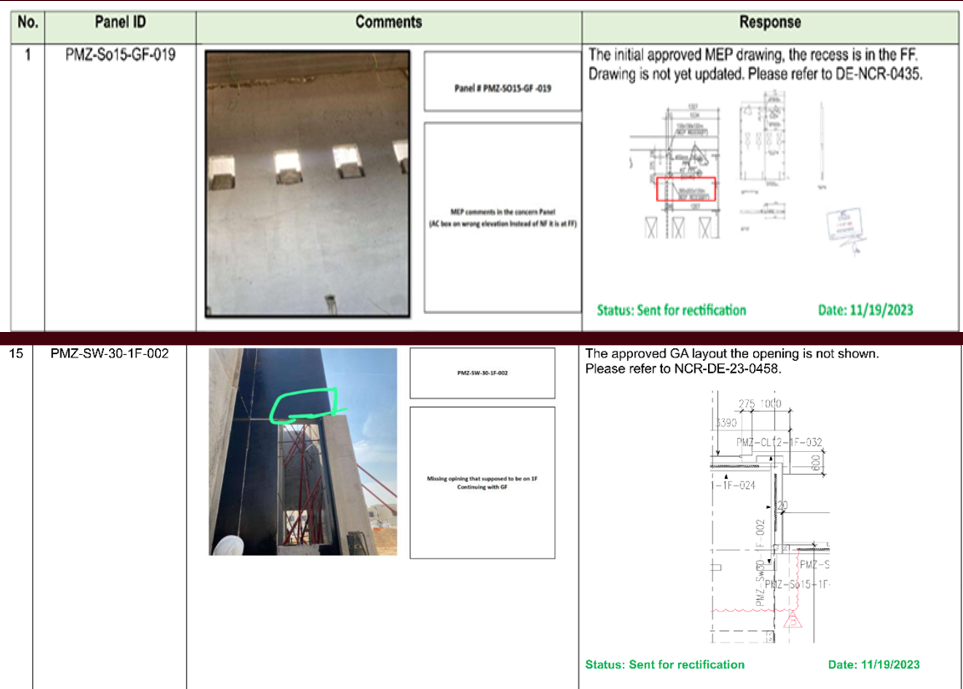
Figure 2: Product of Design Flaws
Proposed Solutions
1. Enhanced Design Coordination Framework
Implementation of integrated design coordination processes involving all stakeholders from project inception:
- Establishment of multidisciplinary design review teams
- Development of standardized precast design guidelines
- Implementation of digital collaboration platforms
- Regular coordination meetings between design and fabrication teams
2. Quality Management System Enhancement
Comprehensive quality control measures throughout the precast construction process:
- Standardized testing and inspection protocols
- Enhanced documentation and traceability systems
- Regular quality audits and performance monitoring
- Continuous improvement programs for fabrication facilities
3. Technology Integration
Leveraging modern technology to improve coordination and quality:
- Building Information Modeling (BIM) for integrated design coordination
- Digital fabrication and quality control systems
- Real-time project monitoring and communication platforms
- Advanced structural analysis and simulation tools
Industry Impact and Recommendations
The research findings have significant implications for the Saudi Arabian construction industry and similar markets experiencing rapid precast adoption. Key recommendations include:
- Establishment of national precast construction standards and guidelines
- Development of specialized training programs for precast coordination
- Implementation of mandatory quality certification programs
- Creation of industry-wide best practice sharing platforms
Future Research Directions
This study opens several avenues for future research, including:
- Long-term performance monitoring of precast structures
- Development of automated coordination checking systems
- Investigation of sustainable precast construction methods
- Analysis of cost-benefit implications of improved coordination
Research Reference
Citation: Engr. Ruel H. Cepeda, Engr. Ric L. Gonzaga. (2025). "Precast Design Flaws: A Case Study on Coordination Issues in Saudi Arabia Residential Villa Project." Aloysian Publications Journal. https://journals.aloysianpublications.com/index.php/articles/article/view/73/31
Comments
Loading comments...
Leave a Comment